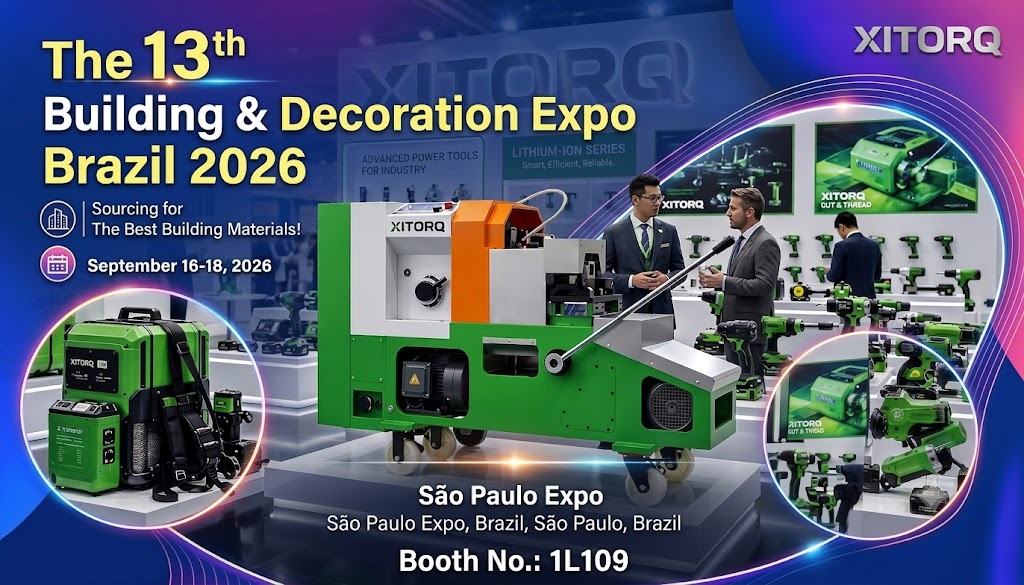


ماشین نخ زنی هوشمند
1. به طور خودکار قطر لوله را شناسایی کنید 2. تنظیم و تنظیم خودکار ابزار 3. اندازه لوله از 15 میلی متر تا 100 میلی متر 4. زمان ...
See Details
یک ماشین نخ زنی هوشمند به یک سیستم رزوه کاری خودکار اشاره دارد که حسگرها، کنترل بلادرنگ، و اغلب منطق CNC یا PLC را برای تولید قطعات رزوه ای با دقت و تکرارپذیری بالا یکپارچه می کند. برخلاف ماشینهای رزوهزنی سنتی که به شدت به مهارت اپراتور وابسته هستند، سیستمهای هوشمند میتوانند پارامترهای برش را بر اساس شرایط مواد، سایش ابزار و بازخورد بلادرنگ تنظیم کنند. این منجر به نخهای با کیفیت بالاتر، کاهش نرخ ضایعات و توان عملیاتی بهتر میشود.
در محیطهای تولیدی مدرن، رزوهکاری یک عملیات حیاتی در صنایعی مانند خودروسازی، هوافضا، نفت و گاز و تولید تجهیزات پزشکی است. کیفیت رزوه مستقیماً بر تناسب مونتاژ، قابلیت آب بندی و عملکرد مکانیکی تأثیر می گذارد. هدف ماشینهای رزوهکاری هوشمند رسیدگی به چالشهای رایج رزوهکاری از جمله تغییرات ابعادی، شکستگی ابزار، مشکلات پرداخت سطح و ناکارآمدیهای فرآیند است.
برای درک اینکه چگونه این سیستم ها قابلیت اطمینان بالا را ارائه می دهند، ضروری است که اجزاء و عملکردهای اصلی آنها را بشناسیم:
سنسورها در ارتقای ماشین رزوه کاری از حالت معمولی به هوشمند نقش اساسی دارند. انواع سنسورهای رایج عبارتند از:
انتخاب یک ماشین نخ هوشمند مستلزم در نظر گرفتن دقیق اهداف تولید، مشخصات قطعه و محدودیتهای عملیاتی است. در زیر معیارهای انتخاب عملی وجود دارد که بهره وری بلندمدت را بهبود می بخشد:
مشخص کنید که آیا به یک راه حل خودکار با حجم بالا نیاز دارید یا یک ماشین انعطاف پذیر برای اجرای مخلوط. خطوط با حجم بالا از ماشینهای رزوهای نمایهسازی چند دوکی یا چرخشی بهره میبرند که زمان چرخه را به حداقل میرسانند، در حالی که پیکربندیهای انعطافپذیر برای خانوادههای قطعات متنوع ایدهآل هستند.
نوع نخ هایی را که اغلب تولید می کنید تعیین کنید - فرم های متریک، UN، آکم، تکیه گاه یا سفارشی. ماشینهای مجهز به کنترلهای پیشرفته CNC و تنظیمات ابزار انعطافپذیر، از تغییرات سریع و پروفایلهای پیچیده بدون توقف طولانی پشتیبانی میکنند.
ارزیابی کنید که آیا ماشین رزوه کشی نیاز به اتصال به ایستگاه های بالادست یا پایین دست، مانند فیدرهای میله، تخلیه کننده قطعات، یا سیستم های بازرسی کیفیت دارد. ماشینهای هوشمند اغلب از استانداردهای ارتباطی صنعتی مانند اترنت/IP یا MODBUS برای تبادل یکپارچه داده پشتیبانی میکنند.
راهاندازی و کالیبراسیون مناسب تضمین میکند که ماشین رزوهکاری هوشمند در اوج عملکرد کار میکند. مراحل زیر تکنسین ها را از طریق تنظیمات کلیدی راهنمایی می کند:
| مرحله | اقدام | هدف |
| 1 | تراز کردن خروجی دوک | از حداقل انحراف برای رزوه های دقیق اطمینان حاصل کنید |
| 2 | تنظیم افست ابزار | مختصات برنامه ریزی شده را با موقعیت های واقعی ابزار مطابقت دهید |
| 3 | سنسورها را کالیبره کنید | نظارت دقیق بر نیروهای برش و ارتعاش را بررسی کنید |
| 4 | threading آزمایشی را اجرا کنید | قبل از تولید، ابعاد نخ و پوشش سطح را تأیید کنید |
حتی با ماشینهای پیشرفته، تولید در دنیای واقعی چالشهایی را به همراه دارد. در زیر مسائل متداول و راه حل های عملی آورده شده است:
برای حفظ عملکرد ثابت از یک ماشین نخ هوشمند، یک روال تعمیر و نگهداری ساختار یافته را اتخاذ کنید:
یک Intelligent Threading Machine is a powerful asset for precision manufacturing when selected, implemented, and maintained correctly. By focusing on production requirements, integrating sensor‑driven feedback, and standardizing setup and maintenance procedures, manufacturers can achieve higher throughput, lower scrap rates, and superior thread quality. Use the practical guidance in this article to make informed decisions that align with your operational goals and technical needs.
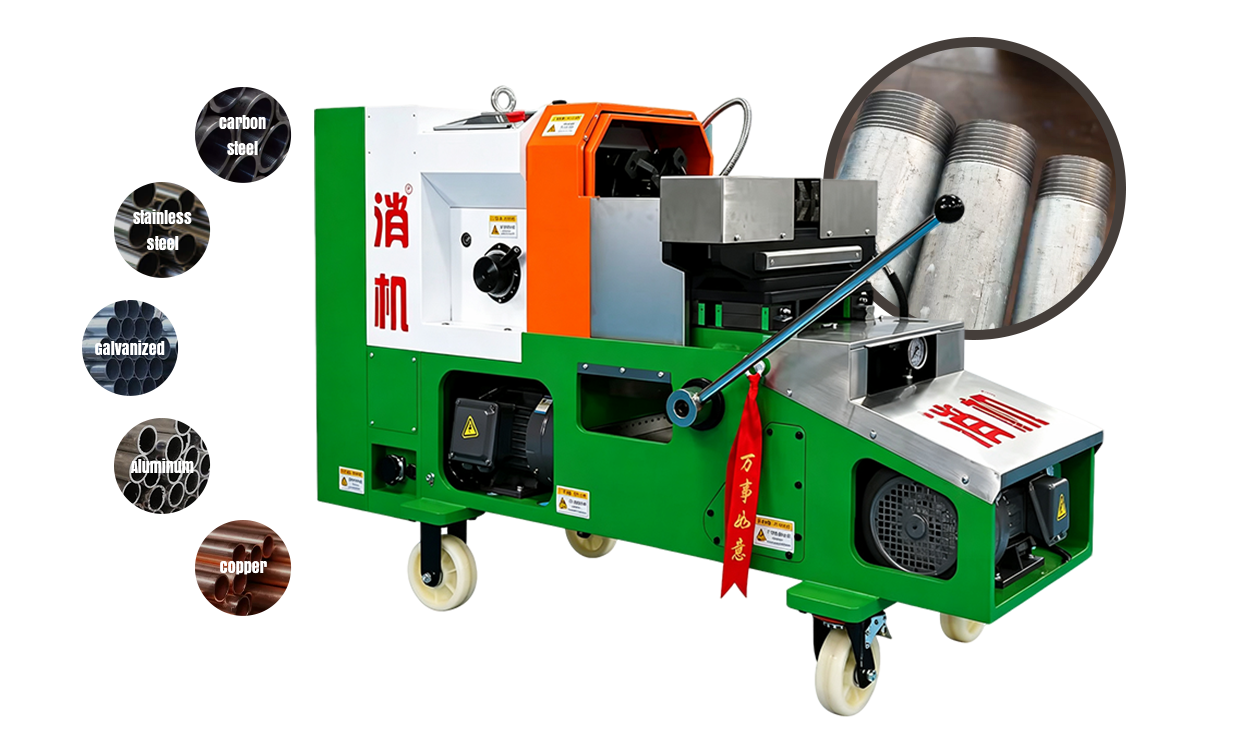
1. به طور خودکار قطر لوله را شناسایی کنید 2. تنظیم و تنظیم خودکار ابزار 3. اندازه لوله از 15 میلی متر تا 100 میلی متر 4. زمان ...
See Details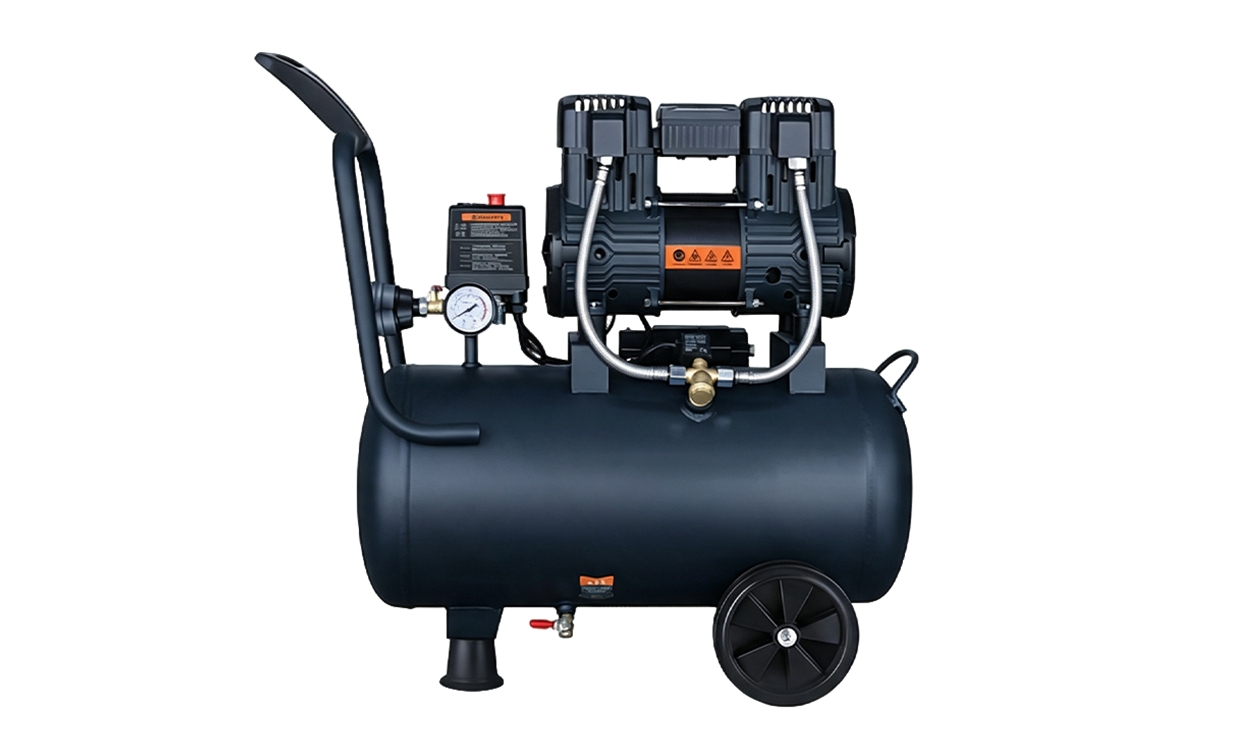
را کمپرسور هوا سری F1680 برای تامین هوای پایدار و کارآمد طراحی شده است که دارای فناوریهای اصلی فشردهسازی چند سیلندر، فنآوری جت ورودی هوای...
See Details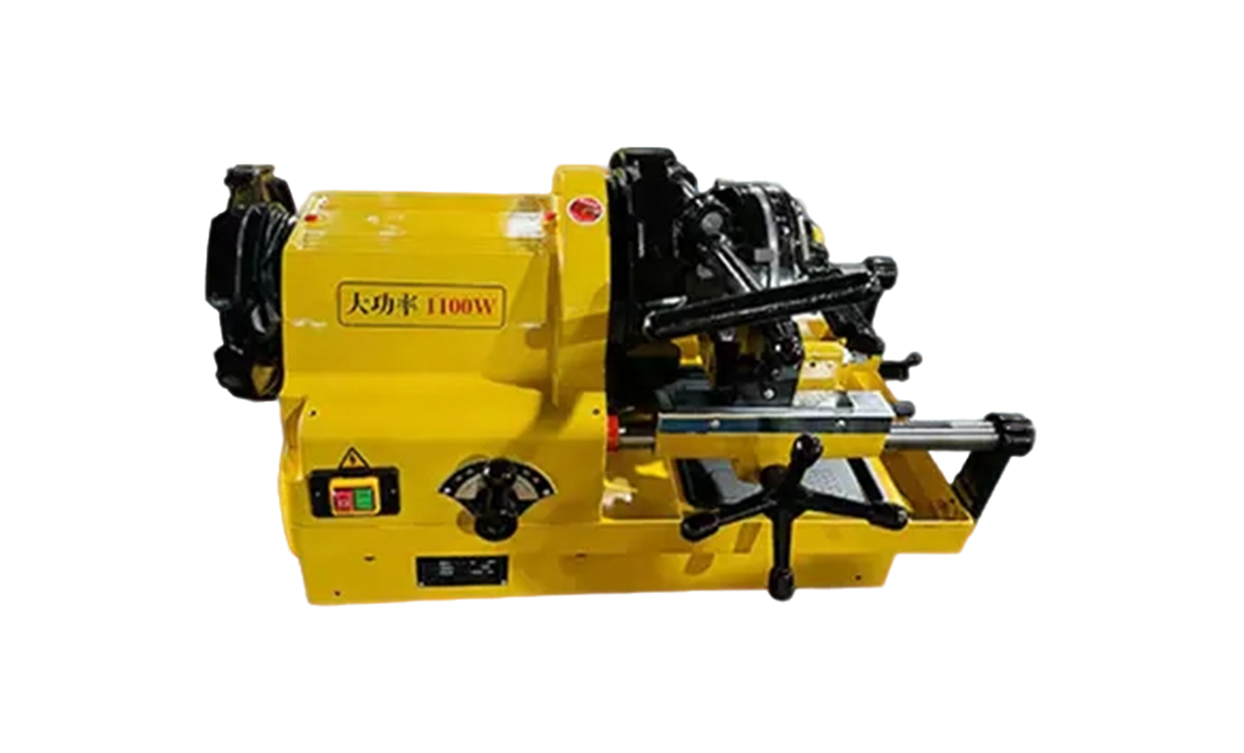
این دستگاه رزوه زنی لوله برقی 4 اینچی 15-100 میلی متری SQ100 برای عملیات رزوه کاری دقیق و کارآمد لوله مهندسی شده است، با محدوده کاری 15-100 میلی مت...
See Details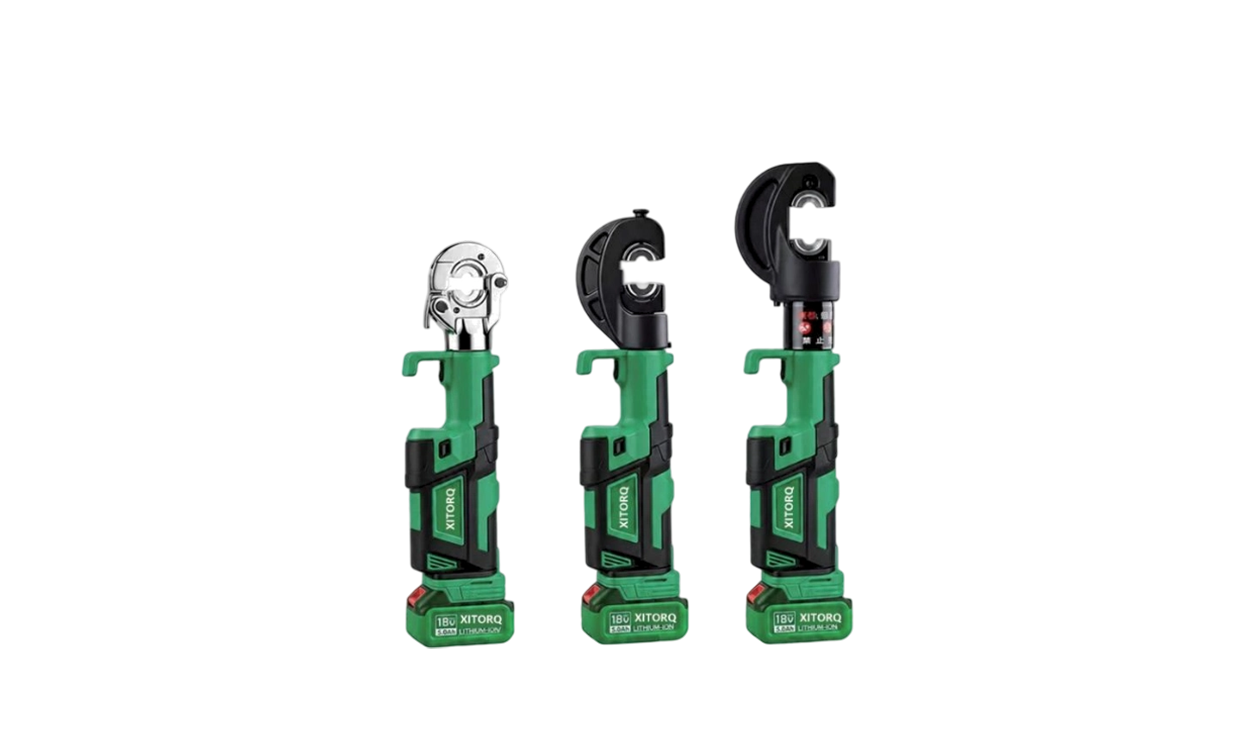
این ابزار لیتیوم یون هیدرولیک 18 ولت یک ابزار هیدرولیک قابل حمل است که برای چین دادن ترمینال کابل طراحی شده است. دارای یک سیستم قدرت لیتیوم یون ...
See Details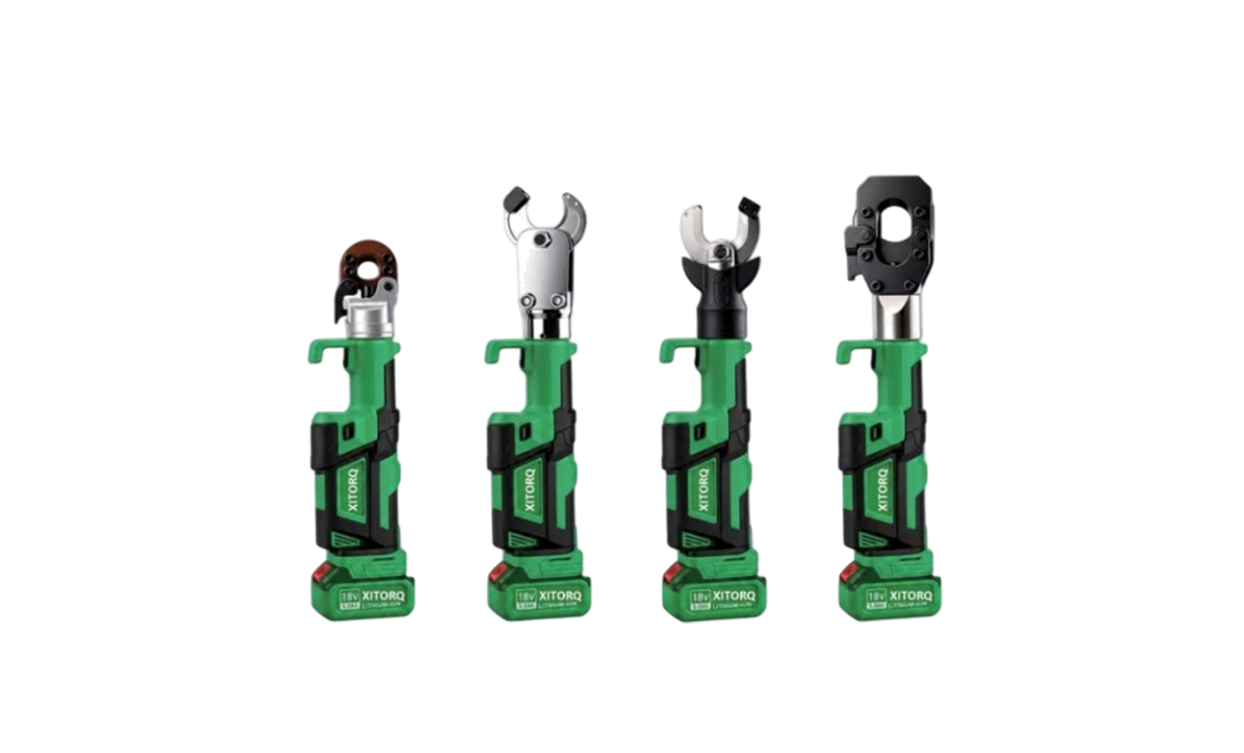
این کابل برش صنعتی 18 ولت لیتیوم یون یک ابزار حرفه ای است که برای برش کابل با قطر بزرگ طراحی شده است. این دستگاه دارای یک سیستم قدرت لیتیوم یون ...
See Details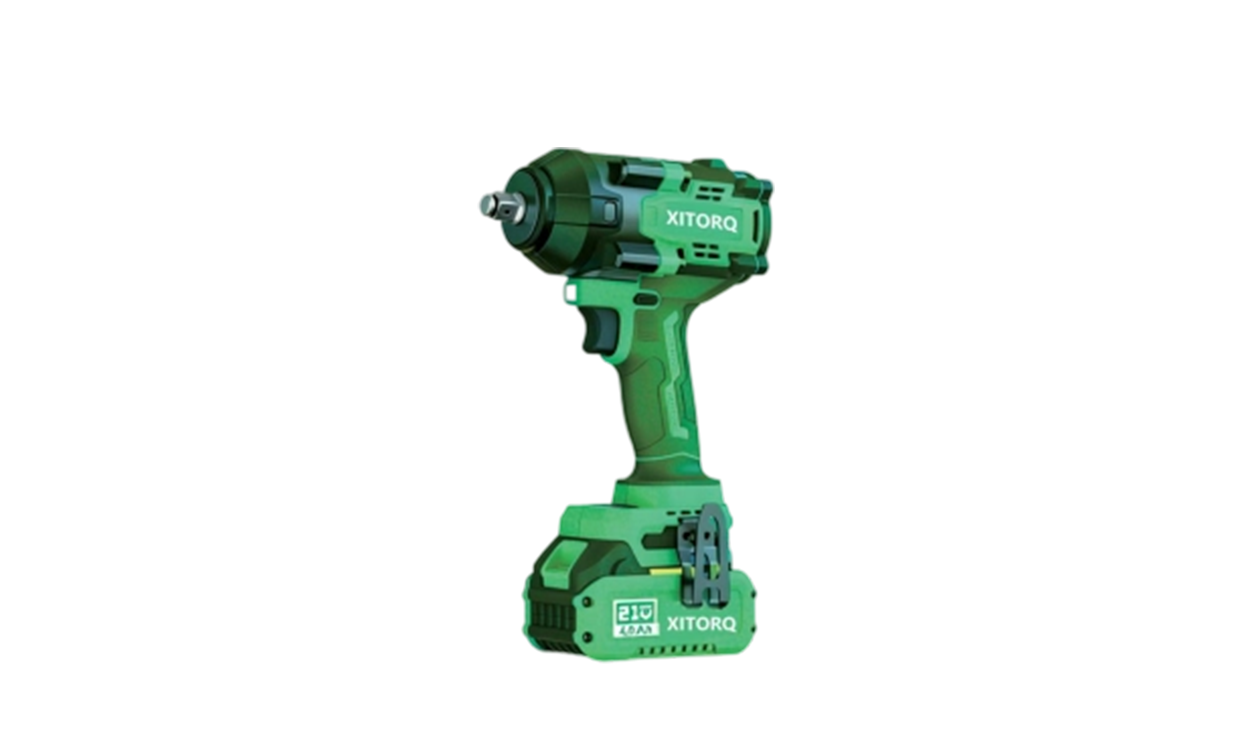
آچار ضربه ای بدون جاروبک لیتیوم یونی 21 ولت XJ.570 یک ابزار صنعتی سبک از برند Xiaojia است. مجهز به موتور بدون جاروبک 5220 و مکانیزم ضربه دنده سی...
See Details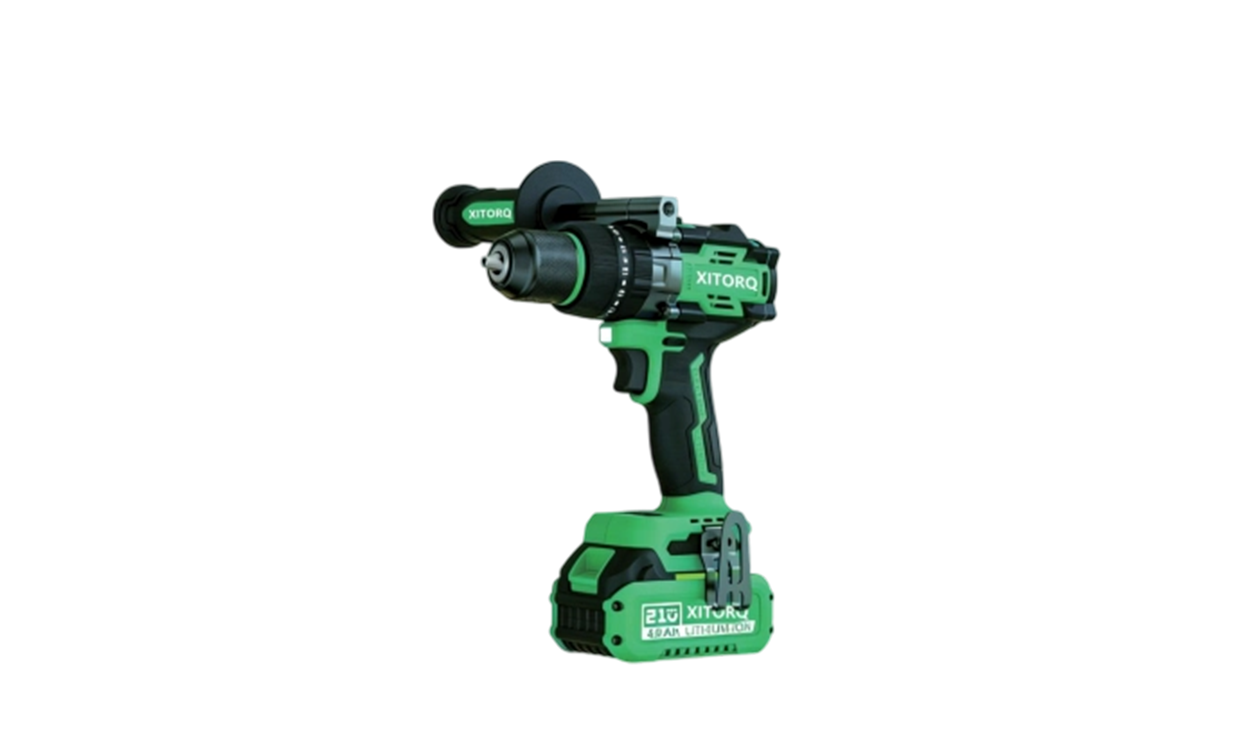
دریل/درایور چکشی براشلس لیتیوم یونی 21 ولت XJ.615 یک دریل شارژی دو منظوره از برند شیائوجیا است. این دستگاه با یک بسته باتری 21 ولتی برای قابلیت حمل...
See Details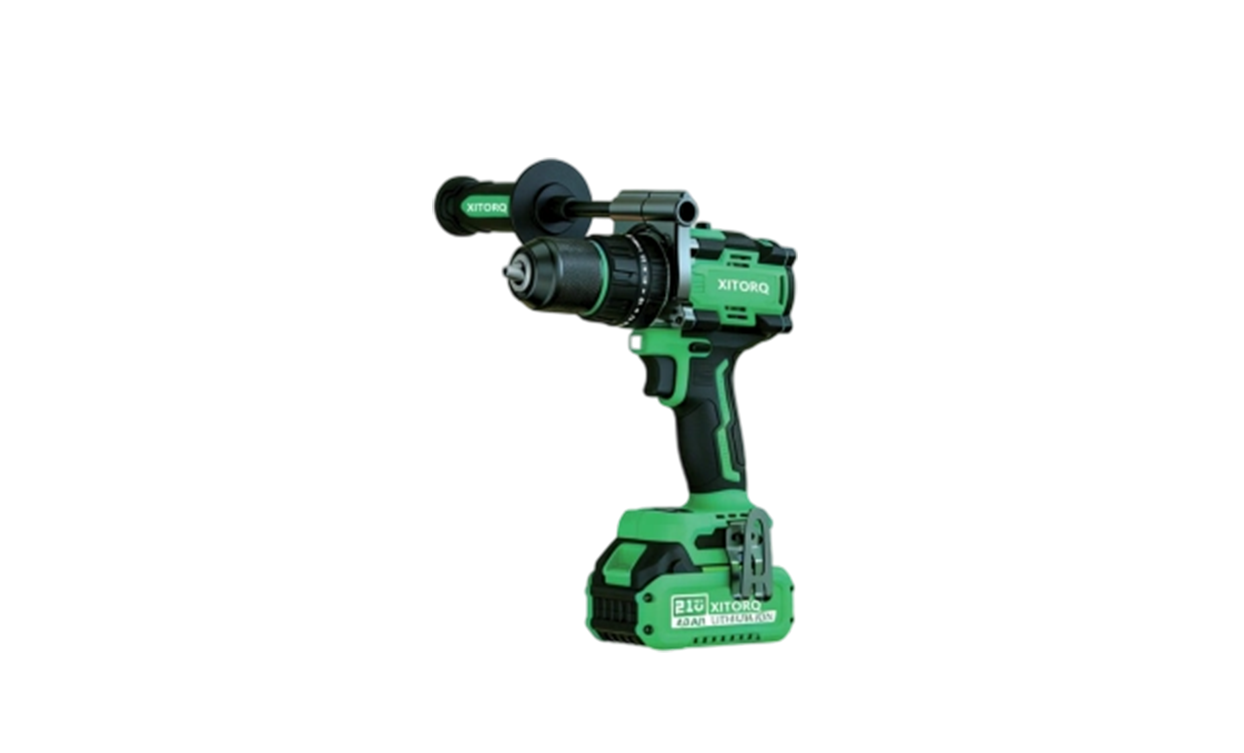
دریل/درایور چکشی 21 ولتی لیتیوم یونی 21 ولتی XJ.617 یک دریل چند منظوره سنگین از برند شیائوجیا است. این موتور مجهز به موتور بدون جاروبک ارتقا یافته ...
See Details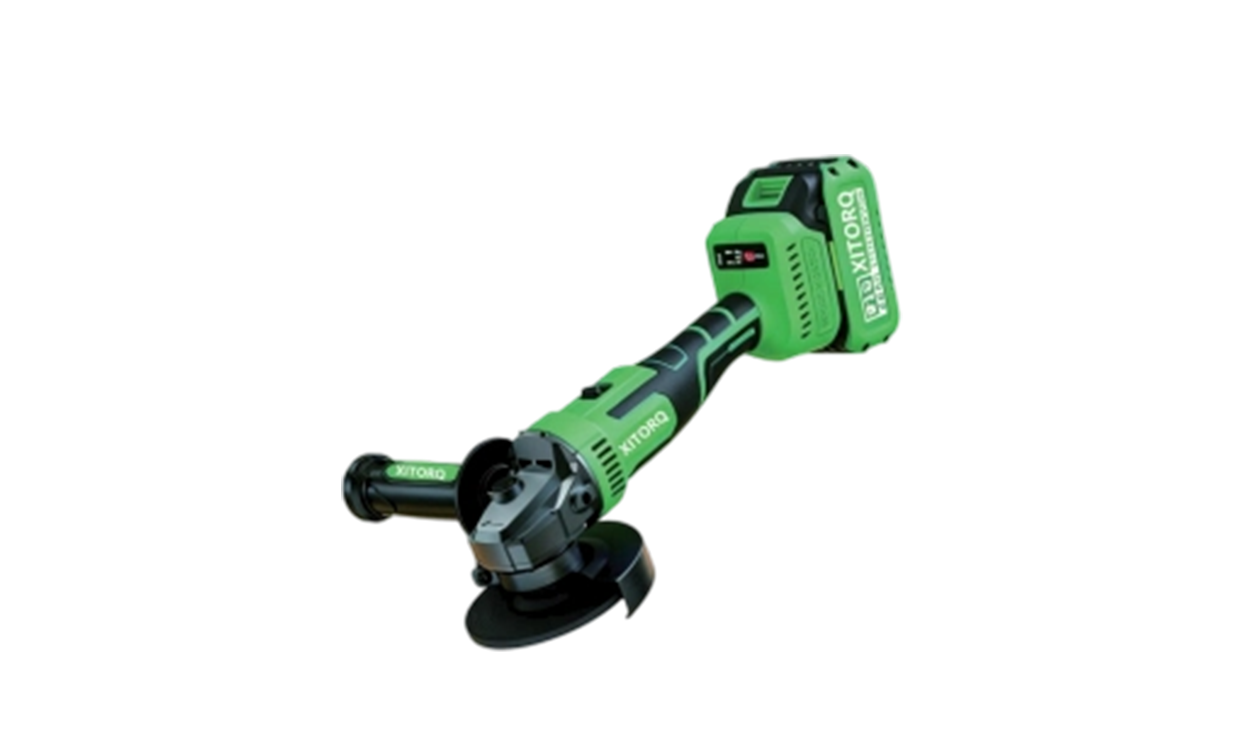
آسیاب براشلس 21 ولتی لیتیوم یون XJ.908 با مغناطیسی بالا یک آسیاب صنعتی از برند Xiaojia است. با داشتن یک موتور براشلس با مغناطیسی بالا، 30 درصد راند...
See Details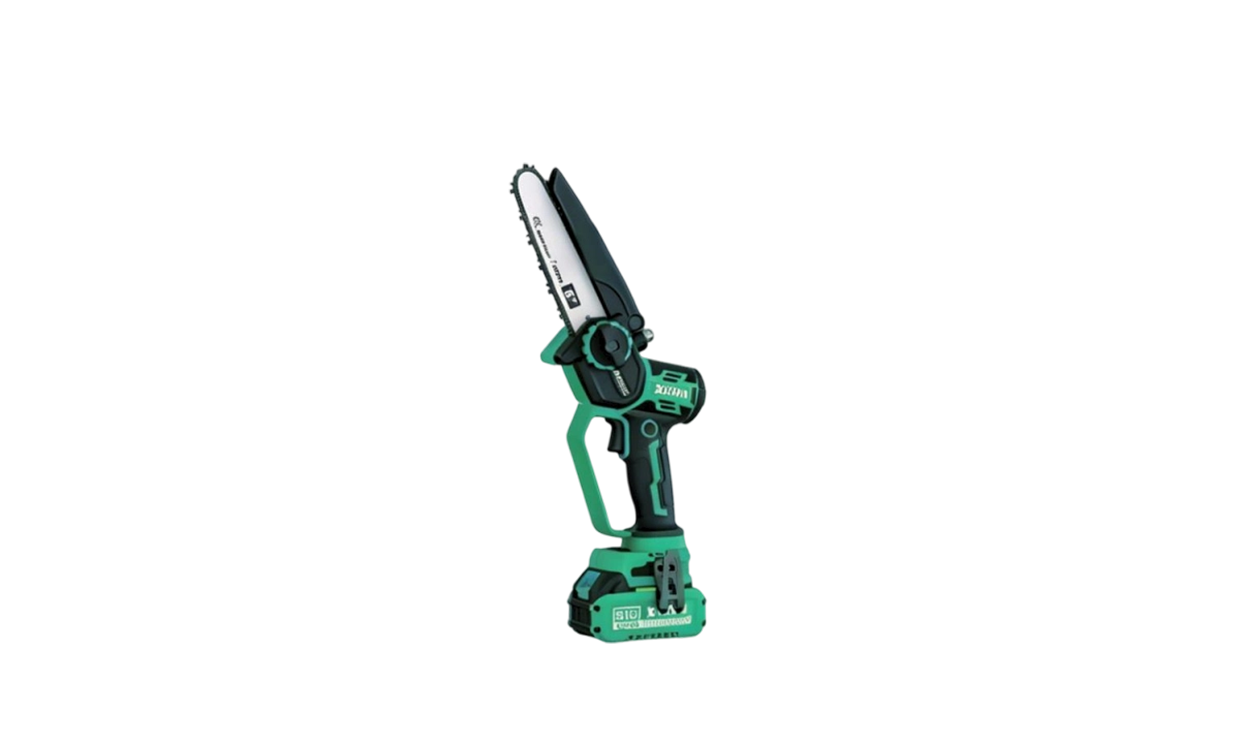
اره برقی براشلس 6 اینچی XJ.206 16 ولتی یک اره زنجیری لیتیوم یونی با اندازه متوسط از برند شیائوجیا است. با استفاده از یک موتور 16 ولت براشلس با م...
See Details
حق چاپ © by Hangzhou Xinabo Intelligent Electromechanical Technology Co., Ltd Rights Reserved. Pipe Threaders Manufacturers